
It all started with finding a place which can protect skin from scorching sun, strong wind, drenching rain and shivering cold & snow. When there was very less person to shelter, just finding the best spot was enough. Gradually when the population grew in numbers, man felt the need to either spread to other places for shelter or build one when there was no safe spot left to be inhabited.
Caves & Rock Overhangs
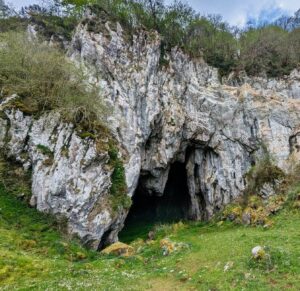
It was the time when human beings had very less access to tools and they were less in number. It is the best natural shelter anybody can have. Normally caves as we know are en-closed from all sides except one opening. This provided just one entry and exit point which could be secured with fire to keep away any beast while everybody is asleep. A wonderful insulation from extreme heat & cold and a cover from rain. Rock overhangs were less secured but still a reliable shelter overhead to protect oneself from direct sunlight, rain and snowfall.
And even today, we will prefer these places over securing tents, if we are camping in any remote part of the world. Archaeological findings are full of such documented places of dwellings all around the world.
The First Construction
Even to this day historians are unearthing new settlements, which breaks the previous earliest construction record in human history. It is difficult to select a winner. As already said in the beginning, necessity leads a man to invent or construct something. So, type of house or structure also depends on the geographical terrain and already available resources. Hence, types of house or shelters discussed further couldn’t be arranged in proper chronological order.
Types of Shelters
Hut & Animal Hide Tents

As old as Palaeolithic age, small huts sections have been discovered dating back to 476,000 years ago in Zambia, Africa. We may even find huts older than these, so it is difficult to claim the oldest hut yet. Hut soun
ds sensible as they were easy to make from branches and leaves near any vegetation. Animal hide tents were also easy to build and may have also been used around this time. The only remaining evidence is dated back to 40,000 years ago in Moldova. As animal skins are decomposed faster than a tree branch, so it is evident why we haven’t found any older than this.
Stone Structure
Stacked Stone Wall

Man started arranging stones in form of walls without any mortar or binding paste in the Palaeolithic age itself. As we know the material of structure depends on readily available resources, just as in places like Greece, where small stones were easily available to be stacked as dry stone wall (Theopetra Cave).

Though there are contradictory statements about it being a dry wall, still it is the oldest wall standing to this day to be seen. Some accounts say no binding mixture was used and while other report clay was used to bind stones together some 23,000 years ago. Stacked stone wall with clay was easiest to make as it didn’t require many tools.
Tell es-Sultan also known as Ancient Jericho, City of Palms, Ariha (Arabic) is the place having oldest recorded city or settlement wall outside cave.

Carved Stone Tombs
As found in Saudi Arabia, surrounding regions and Petra in Jordan, carved stone quarters were used 2000 years ago as tombs for elites and also as family homes by few ordinary or common people. These quarters were massive and required tools and great strength to carve. It reminds me of communities mentioned in Holy Quran, who were punished for their transgression.
Not all caves were natural, rather in Al-Beidha also known as Little Petra in Jordan, sandstone cliffs were carved as early as 9000 years ago for shelters.
Stay tuned to our Social Media Pages to get notified about the 2nd part of this historical trip.